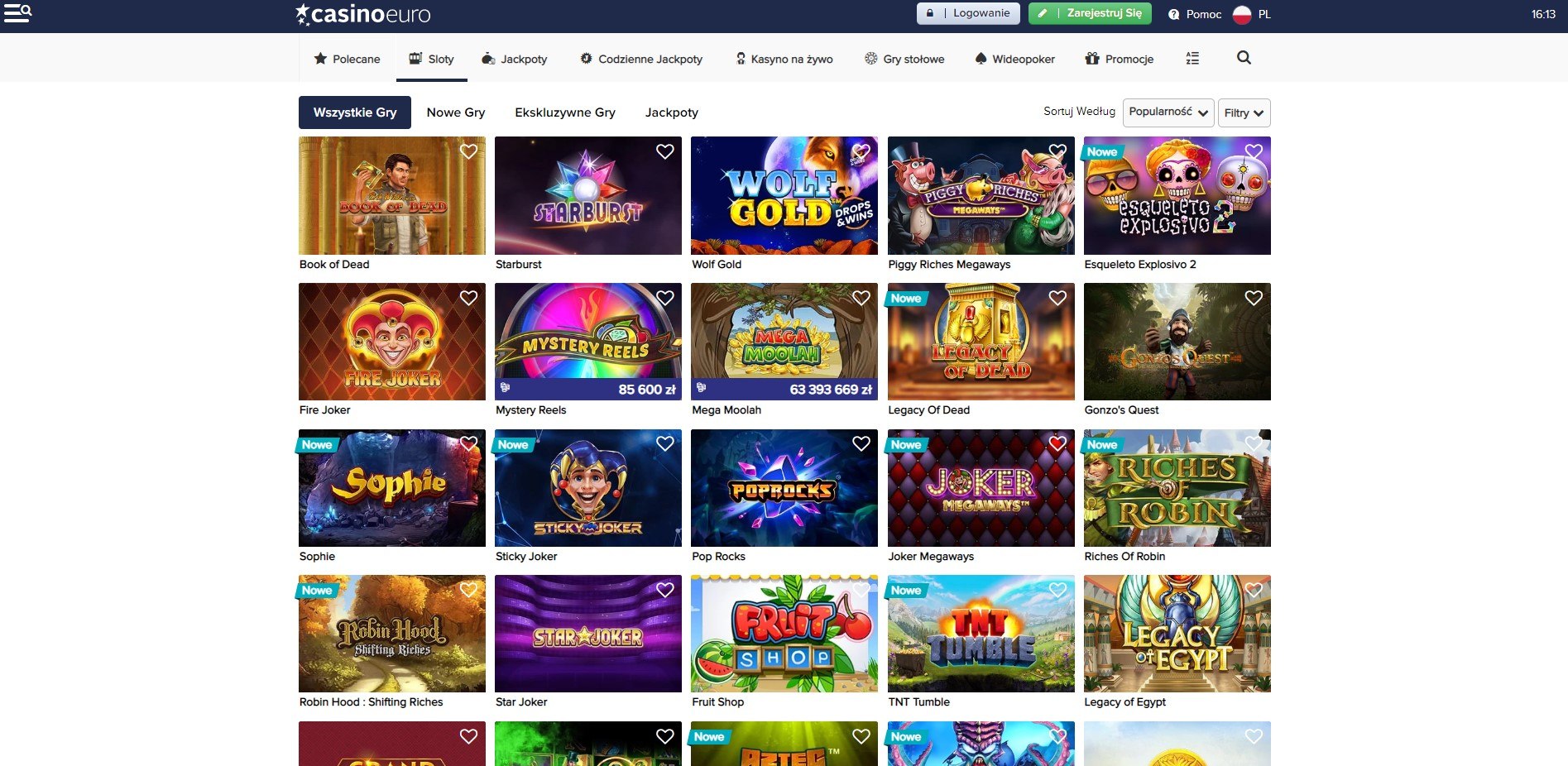
I’m a Dutch player, and the Casino Euro login page appears simple enough, but there’s real weight behind it. Account controls don’t exist to slow you down. They guard your balance, personal data, and playing history. Dutch-licensed operators are required to follow the Kansspelautoriteit’s rules, so stuff like verification, deposit limits, and self‑exclusion is built‑in. I’ll walk you through how registration, login security, and account management truly work. If you’re signing up and want to keep your account under control, this guide covers the steps that matter—from prepping your details to getting back in when something goes sideways. After reading, you’ll know what those on‑screen controls do and when to click them. I’ll also point out Dutch‑specific tools, like Cruks and local payment methods, because they affect how you manage your account.
The reason Login Controls Start Ahead of You Play
Login controls are where I first see a casino treating security strictly eurocasino.com.nl. At Casino Euro, the login page is not merely a password prompt. It links to session limits, verification status, and responsible‑gambling tools. When I log in, I count on the system to acknowledge my device or request an extra check if something looks unusual. That isn’t a hurdle. Dutch regulators insist operators check who’s playing, so a controlled login assists prevent under‑age access and fraud. I regard login as a personal checkpoint. Before inputting anything, I check the page seems legitimate and my connection is private. A steady login process also results in fewer blocked sessions later. If you comprehend these controls now, you’ll waste less time recovering access and more time playing inside your limits. The habit creates a foundation for everything else in your account. I’ll refer back to this checkpoint idea a number of times.
Establishing Deposit and Session Limits Beforehand
Boundaries Valuable Defining Prior to You Deposit
- Deposit limit: restricts money flowing into your account.
- Loss limit: stops play at a set net loss.
- Stake limit: restricts total turnover per session.
- Session time limit: logs you out after a set period.
Grasping Identity Verification for the Dutch Market
Identity verification constitutes where Dutch regulations meet daily account use. At Casino Euro, I need to upload a clear copy of my passport, Dutch ID card, or EU identity document, along with proof of address. The Kansspelautoriteit demands operators to know who’s behind an account prior to deposits grow large. I position my document on a flat surface and capture the photo in bright, indirect light. A blurry corner or covered face causes rejection. The system usually reads the document automatically, but a manual review can kick in if the details look unclear. I also double‑check that the name on my casino account aligns with the name on my address proof exactly. Small differences, like initials instead of a full name, can delay approval. Once verification clears, the login page presents fewer security interruptions because the system relies on the account. That’s why I get ready documents before signing up rather than waiting for a withdrawal request.
Typical Upload Mistakes
Photo Quality Checks for ID Documents
- Prevent glare across the document number.
- Maintain all document edges visible in the frame.
- Utilize an original photo, not a screenshot.
Employing Break and Self-Exclusion Tools
Cooling-off tools enable me pause without closing everything down. A quick cooling-off period continues from a day to several weeks, and during that time I can’t deposit or play. I employ this when I notice sessions are going longer than planned. Casino Euro and other licensed Dutch operators also support Cruks, the national self‑exclusion register. If I register with Cruks, every licensed operator in the Netherlands prevents me from gambling for at least six months. That’s a major step, but it stands for a reason. The login page might display a message or deny access while a restriction is active. I read that as a indication the controls are operating, not an error. Before selecting self‑exclusion, I note what I want to protect—my budget, my weekend time. That assists me pick the right length. I can always lengthen the period later if I require more distance.
Protecting Login Via Two-Factor Authentication
Multi-Factor Authentication Without the Friction
- Employ an authenticator app instead of SMS whenever feasible.
- Store backup codes in a location offline and private.
- Verify your phone number prior to saving the setting.
Setting Up Login Details That Hold Up
I treat creating a password as a one-time job that influences every future login. A secure password for Casino Euro should be extended, unique, and not reused from email or banking. I steer clear of birthdays, street names, and club names—they’re straightforward to guess. Instead, I employ a phrase only I’d identify, mixed with numbers and special characters. A password manager works fine if the master password stays protected. The login email is important just as much. I utilize an address I monitor regularly, because verification links and security alerts arrive there. If that inbox is cluttered cbc.ca or old, I risk missing a confirmation. I also jot nothing down on paper near my computer. A sticky note with a password defeats the purpose of the login control. Maintaining these details to myself is the simplest way to stop unwanted access.

Setting up for Registration Without Uncertainty
Ahead of I access the Casino Euro registration form, I assemble the details I understand I’ll need. The sign‑up requires legal name, date of birth, Dutch address, email, and mobile number. I bypass nicknames or old email addresses—those details must match my verification documents later. A mismatch between registration data and ID leads to delays. I also verify my phone has enough storage if I intend to upload documents from the same device. Dutch players typically don’t need a BSN for casino registration, so I leave that out unless the form specifically asks. The goal is to complete the form once without hunting for something. Preparing everything ahead reduces typing mistakes, and those might trigger extra security checks. The small effort results in the login setup cleaner from day one, and a clean start prevents most verification headaches.
- Current passport or Dutch ID card
- Proof of address from the last three months
- Email and mobile number you use often
- An iDEAL‑ready bank account or supported payment method
Regaining a Frozen or Lost Account
Account Recovery Steps
- Go to the Casino Euro login page and select the password reset link.
- Type the email address connected to your account.
- Check your inbox and spam folder for the recovery message.
- Create a new password you haven’t used before.
Keeping Healthy Account Habits
Monthly Reviews That Maintain My Account Safe
- Verify email and phone contact details.
- Adjust limits before a busy month or holiday.
- Contact support after a compromised device or phishing scare.

Making sense of Casino Euro account controls means viewing sign‑up, login, and verification as integrated elements of one system. I organize my documents before registering, choose unique login details, and enable two‑factor authentication where it’s provided. Then I configure deposit and session limits early and modify them as my routine changes. When I need a break, cooling‑off and Cruks controls aren’t sanctions—they’re instruments that maintain me in charge. If something goes wrong, the password reset process and support team are there to restore access safely. None of these steps is complex on its own. The value stems from doing them before a problem arises. A well‑maintained account provides me more confidence on the login page and fewer interruptions when I play. In the Netherlands, that kind of control is common across all licensed casinos, so what you learn at Casino Euro applies generally.
